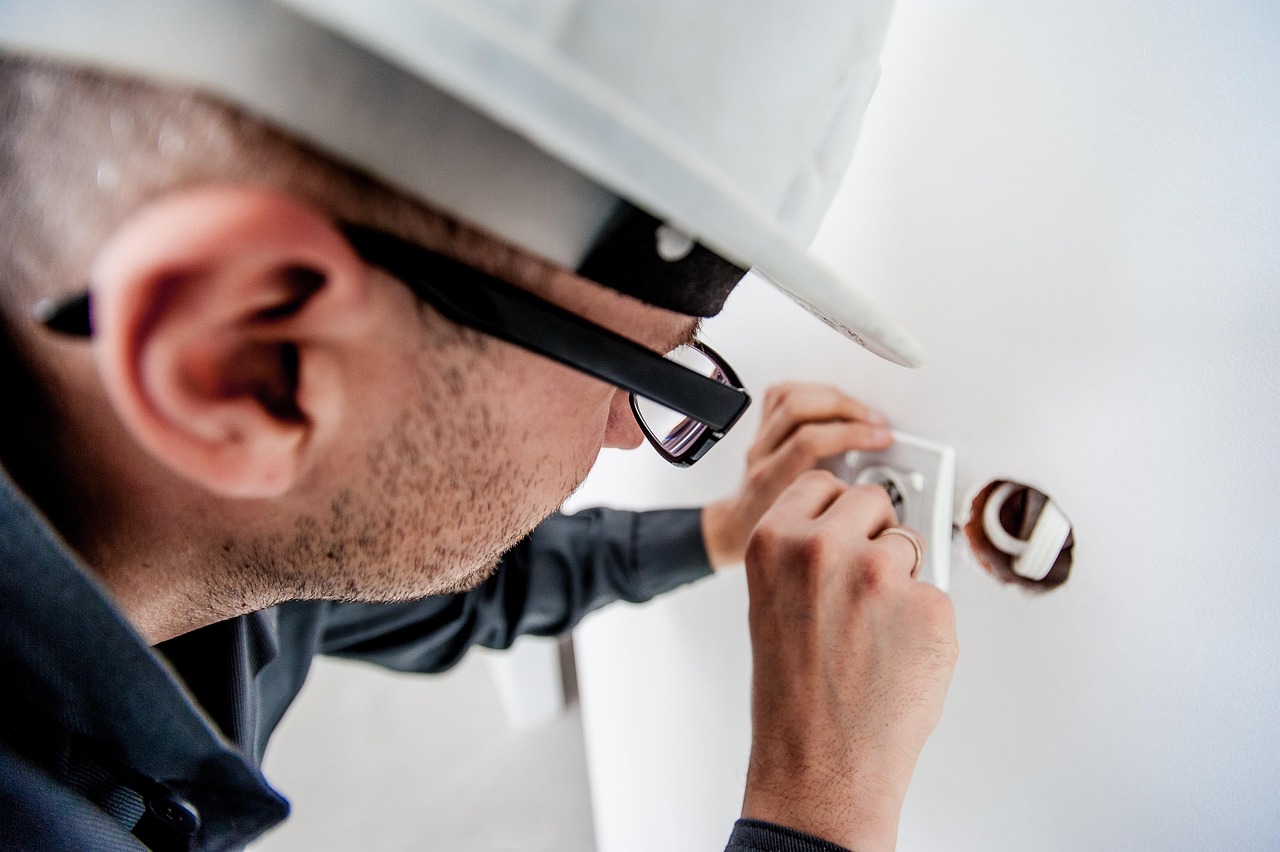
Electricity keeps our homes comfortable and convenient, but it also brings serious risks if not handled properly. In California—where strict codes exist for a reason—electrical mistakes can lead to fires, shocks, property damage, or even legal trouble. Here are the top 10 electrical safety mistakes California homeowners make, and what you can do to prevent them.
-
Overloading Outlets and Power Strips
The Mistake:
Relying on a single outlet to supply power for a cluster of devices—especially by stacking adapters or connecting several power strips in sequence. This is common in home offices, entertainment centers, and kitchens where there never seem to be enough outlets for all your gadgets.
The Risk:
Overloaded circuits can overheat, melt wiring, or start fires—especially with high-wattage devices like space heaters, microwaves, or hairdryers.
Prevention Tips:
- Only use one high-power device per outlet.
- Never connect one power strip or extension cord to another.
- Upgrade your electrical panel or add outlets if you frequently run out of space.
-
DIY Electrical Work Without Permits
The Mistake:
Performing electrical upgrades or repairs without the required permits or professional help.
The Risk:
Unpermitted work can fail inspections, void insurance, and lead to costly repairs or fines.
Prevention Tips:
- Always check with your local building department before starting electrical work.
- Hire a licensed electrician for any major changes.
- Read our guide on permits and inspections.
-
Ignoring GFCI and AFCI Outlet Requirements
The Mistake:
Not installing GFCI (Ground Fault Circuit Interrupter) or AFCI (Arc Fault Circuit Interrupter) outlets where required by code.
The Risk:
Increased danger of electric shock or fire, especially in kitchens, bathrooms, and bedrooms.
Prevention Tips:
- Install GFCIs in all “wet” areas.
- Install AFCIs in living spaces as required by California code.
- Test outlets monthly using the “test” and “reset” buttons.
-
Using Damaged or Worn Extension Cords
The Mistake:
Continuing to use cords with cracked insulation, exposed wires, or frayed ends.
The Risk:
Shocks, sparks, and fire can result from damaged cords.
Prevention Tips:
- Inspect cords regularly and replace immediately if damaged.
- Never run cords under rugs or through doorways.
-
Blocking or Covering Electrical Panels
The Mistake:
Storing items in front of the breaker panel, making it hard to reach in an emergency.
The Risk:
Delays in shutting off power during an emergency can be dangerous.
Prevention Tips:
- Keep at least 3 feet of clear space in front of your electrical panel at all times.
-
Installing the Wrong Wattage Bulbs
The Mistake:
Using light bulbs with a higher wattage than the fixture is rated for.
The Risk:
Fixtures can overheat, increasing the risk of fire.
Prevention Tips:
- Always check the maximum wattage label on light fixtures.
- Use LED bulbs, which provide more light with less heat and energy.
-
Neglecting Outdoor Electrical Safety
The Mistake:
Using indoor extension cords outside, or installing outlets and fixtures that aren’t weatherproof.
The Risk:
Exposure to rain and moisture can cause shorts, shocks, or fires.
Prevention Tips:
- Only use cords and devices rated for outdoor use.
- Install weatherproof outlets with covers (bubble covers) for outdoor use.
-
Failing to Childproof Outlets
The Mistake:
Leaving outlets exposed in homes with young children.
The Risk:
Children can insert objects and risk severe shock or burns.
Prevention Tips:
- Use tamper-resistant outlets or outlet covers.
- See our childproofing tips here.
-
Skipping Routine Electrical Inspections
The Mistake:
Assuming everything is fine if the lights work—especially in older homes.
The Risk:
Hidden wiring problems can go undetected until they cause a serious issue.
Prevention Tips:
- Schedule an electrical inspection every 5–10 years, or before buying/selling a home.
- Watch for warning signs like flickering lights, buzzing outlets, or frequent breaker trips.
-
Not Knowing What to Do in an Electrical Emergency
The Mistake:
Not having a plan for electrical fires, shocks, or power outages.
The Risk:
Panic or missteps can make emergencies worse.
Prevention Tips:
- Know where your main breaker is and how to shut it off.
- Keep emergency numbers handy (utility company, fire department).
- Read our emergency guide.
Stay Safe, Stay Informed
Most electrical accidents are preventable. By avoiding these common mistakes and keeping up with California’s codes and best practices, you can protect your home, your family, and your investment.